International family disputes involving Russia have become increasingly complex in recent years. When a child is taken to Russia by one parent, the other parent often faces significant legal challenges regarding paternity, custody, parental rights, and international jurisdiction.
If you are a biological father whose child has been relocated to Russia, it is important to understand that Russian law provides legal mechanisms for establishing paternity, seeking custody, and protecting parental rights. Russian courts generally decide family disputes based on the best interests of the child, regardless of the nationality of the parents.
Can a Foreign Father Establish Paternity in Russia?
Yes.
If the father is not registered on the child's birth certificate or legal parenthood has not been formally established, a paternity action can be filed before a Russian court.
Evidence commonly used in paternity proceedings includes:
- DNA testing;
- financial support records;
- bank transfers;
- correspondence between the parents;
- photographs and family records;
- witness statements;
- documents demonstrating involvement in the child's upbringing.
DNA examination is typically considered the strongest form of evidence in Russian paternity proceedings.
How Long Does a Paternity Case Take in Russia?

The duration depends on the complexity of the case and the availability of evidence.
In practice:
- straightforward cases may take 4–8 months;
- cases requiring DNA examinations often take 6–12 months;
- cases involving international service of documents may take longer.
The participation of parties residing abroad can significantly affect procedural timelines.
Can a Father Seek Custody After Establishing Paternity?
Yes.
Once legal paternity has been established, a biological father may seek custody or request that the child's place of residence be determined with him.
Russian family law recognizes equal parental rights, while courts focus primarily on the child’s welfare and best interests.
When deciding custody matters, courts typically examine:
- the child's living conditions;
- educational opportunities;
- access to healthcare;
- emotional attachment to each parent;
- financial stability of the parents;
- housing conditions;
- the child's social environment;
- the child's own wishes, depending on age and maturity.
What Happens If One Parent Relocates the Child to Russia?
Cross-border relocation of a child often creates jurisdictional and enforcement issues.
Russian courts may consider:
- whether the relocation was lawful;
- the child's current place of residence;
- the child's established social and educational environment;
- the practical ability of each parent to care for the child.
The child's actual place of residence is often an important factor in determining jurisdiction and custody-related decisions.
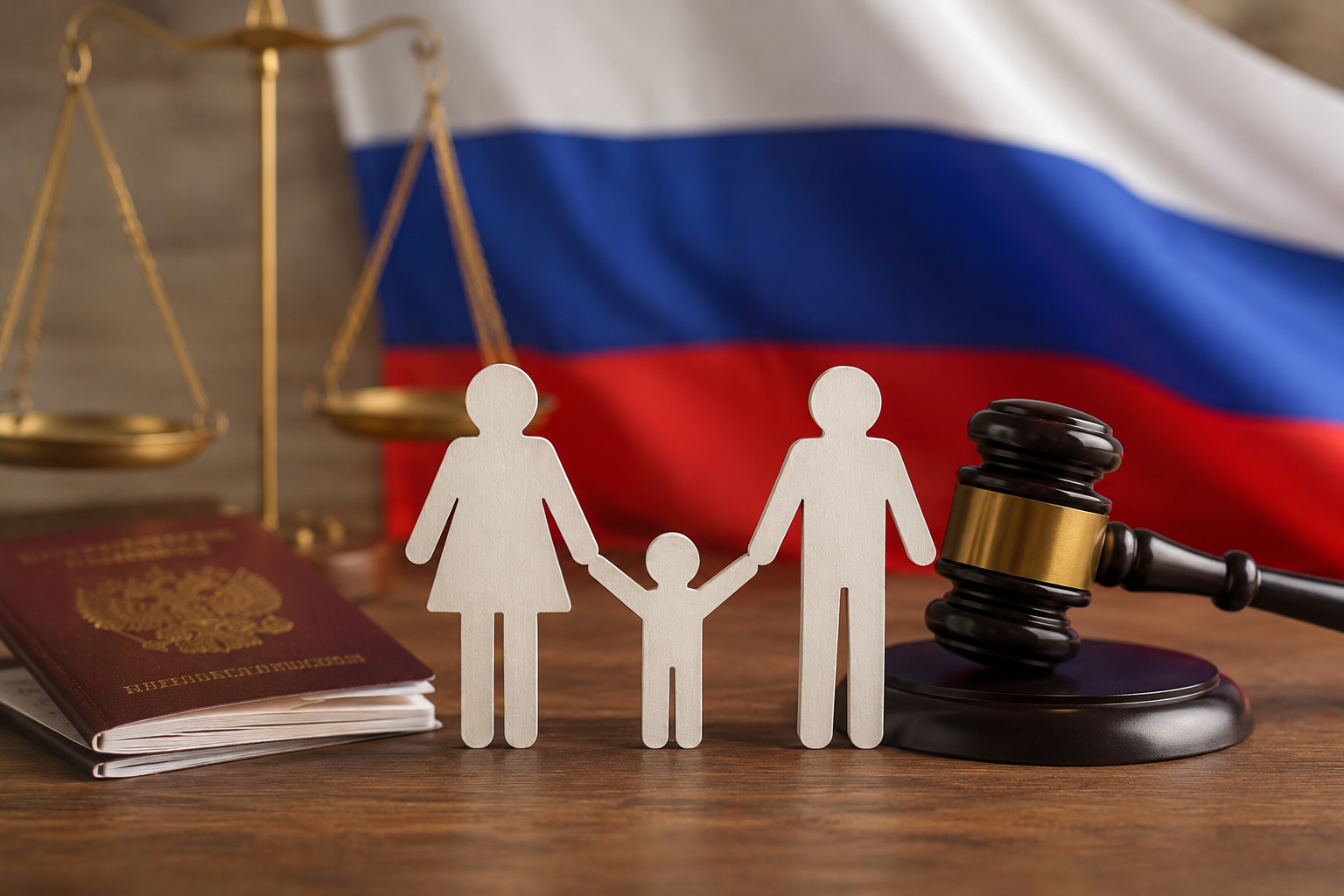
Does Russian Citizenship Change the Situation?
Not necessarily.
Even if the child or the other parent has obtained Russian citizenship, the biological father may still pursue legal recognition of paternity, custody rights, visitation rights, and parental access through Russian courts.
Jurisdiction and applicable law must be assessed individually in each case, particularly where multiple countries are involved.
What Factors Improve the Chances of Obtaining Custody?
Although every case is unique, courts may view the following circumstances favorably:
- long-term financial support provided by the father;
- stable employment and income;
- adequate housing conditions;
- demonstrated involvement in the child's upbringing;
- ability to provide education and healthcare;
- evidence that the other parent cannot adequately support the child.
Russian courts generally evaluate the overall welfare and future development of the child when making custody decisions.
Can Evidence from Proceedings in Other Countries Be Used in Russia?
In many cases, yes.
Court documents, expert reports, witness statements, and other evidence obtained in foreign proceedings may be used in Russian litigation, subject to procedural requirements.
For international families, coordinating legal strategies across multiple jurisdictions is often critical to achieving an effective outcome.
International Child Custody and Paternity Disputes Involving Russia
Cases involving Russia frequently require simultaneous consideration of:
- Russian family law;
- international private law;
- foreign court proceedings;
- child relocation issues;
- recognition and enforcement of foreign judgments.
Because international family disputes often involve multiple legal systems, early legal action is essential.
Legal Assistance in Russia
Rus-Turk Law & Consulting Company provides legal support for international clients in matters involving:
- paternity proceedings in Russia;
- child custody disputes;
- cross-border family litigation;
- child relocation and parental rights cases;
- representation before Russian courts;
- recognition and enforcement of foreign family law judgments.
If your child has been taken to Russia or you are involved in a custody dispute connected to Russia, obtaining qualified legal advice at an early stage can significantly improve your legal position and help protect your parental rights.