Introduction
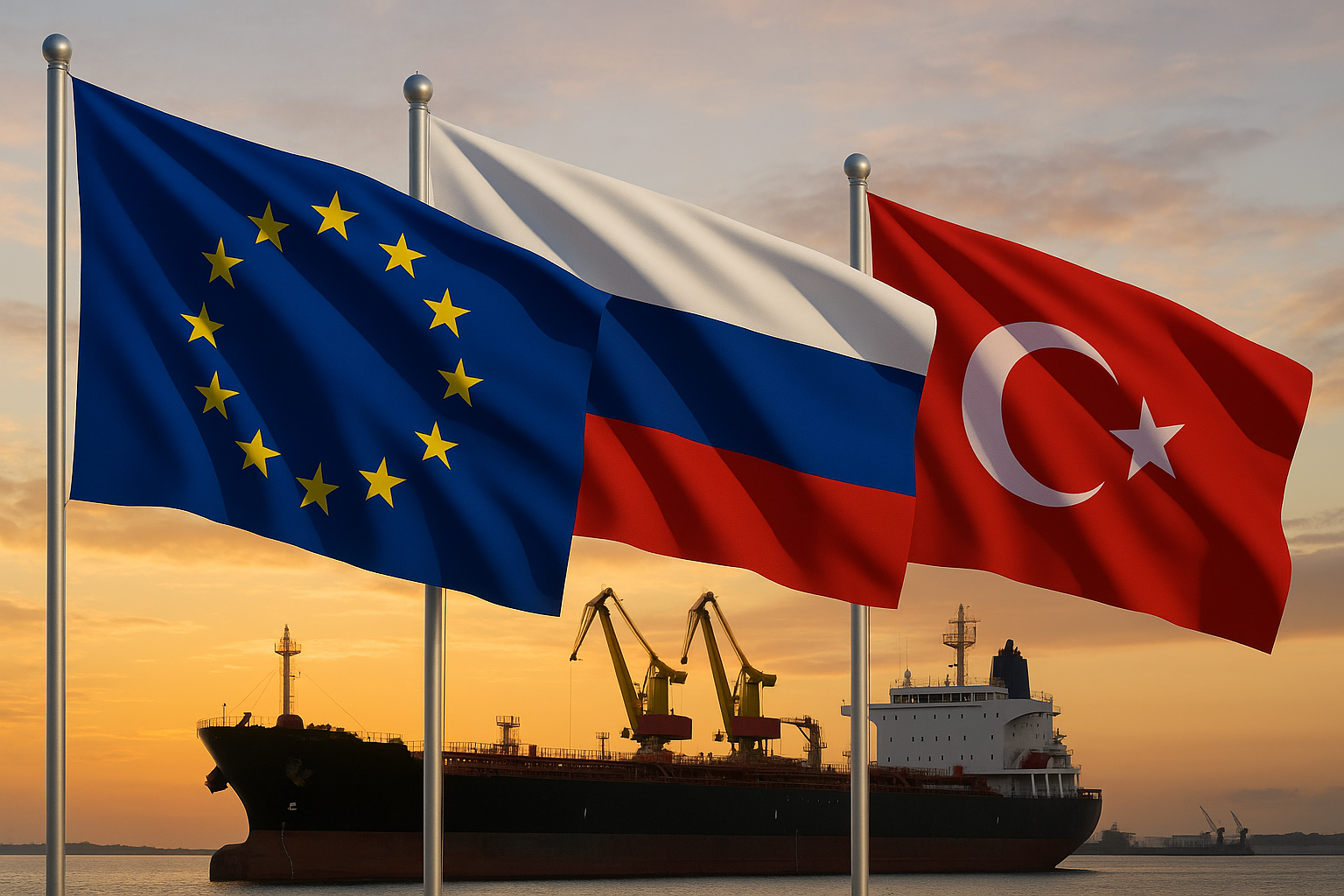
The European Union’s 18th sanctions package against Russia, adopted on July 18, 2025, intensifies economic and political pressure on Russia amid the ongoing conflict in Ukraine. Targeting Russia’s energy, banking, and military-industrial sectors, these measures have significant implications for European-Turkish-Russian relations, given Turkey’s unique position as a NATO member, EU partner, and key economic ally of Russia. For European businesses and individuals operating in or with Turkey, understanding these dynamics is critical. Turkish International Law & Consulting Firm (https://rt-union.com/) offers expert legal support to navigate the complexities of this evolving landscape.
Key Measures of the 18th EU Sanctions Package
1. Energy Sector Restrictions
- Oil Price Cap Reduction: The G7 price cap on Russian crude oil has been lowered from $60 to $47.6 per barrel, with a “floating mechanism” set at 15% below the average market price over the past six months. This responds to global oil price volatility, including a temporary spike to $80 per barrel due to the Iran-Israel conflict.
- Petroleum Products Ban: Imports of petroleum products derived from Russian oil, even if refined in third countries, are now restricted to curb Russia’s energy revenue.
- Tanker Sanctions: An additional 105 tankers transporting Russian oil have been blacklisted, targeting Russia’s “shadow fleet.” This follows the 17th package’s sanctions on 189 vessels, bringing the total to over 340.
- Nord Stream Pipelines: Transactions involving Nord Stream 1 and 2 pipelines are banned for the first time, further limiting Russia’s energy infrastructure revenue.
2. Banking and Financial Sector
- Sanctions on Russian Banks: 22 Russian banks have been disconnected from SWIFT and face a full transaction ban to prevent sanctions circumvention.
- Third-Country Financial Operators: Restrictions target financial institutions in third countries, including some Chinese banks, facilitating trade with Russia.
- Russian Direct Investment Fund (RDIF): The RDIF and its subsidiaries are sanctioned for their role in bypassing restrictions.
3. Export Controls and Dual-Use Goods
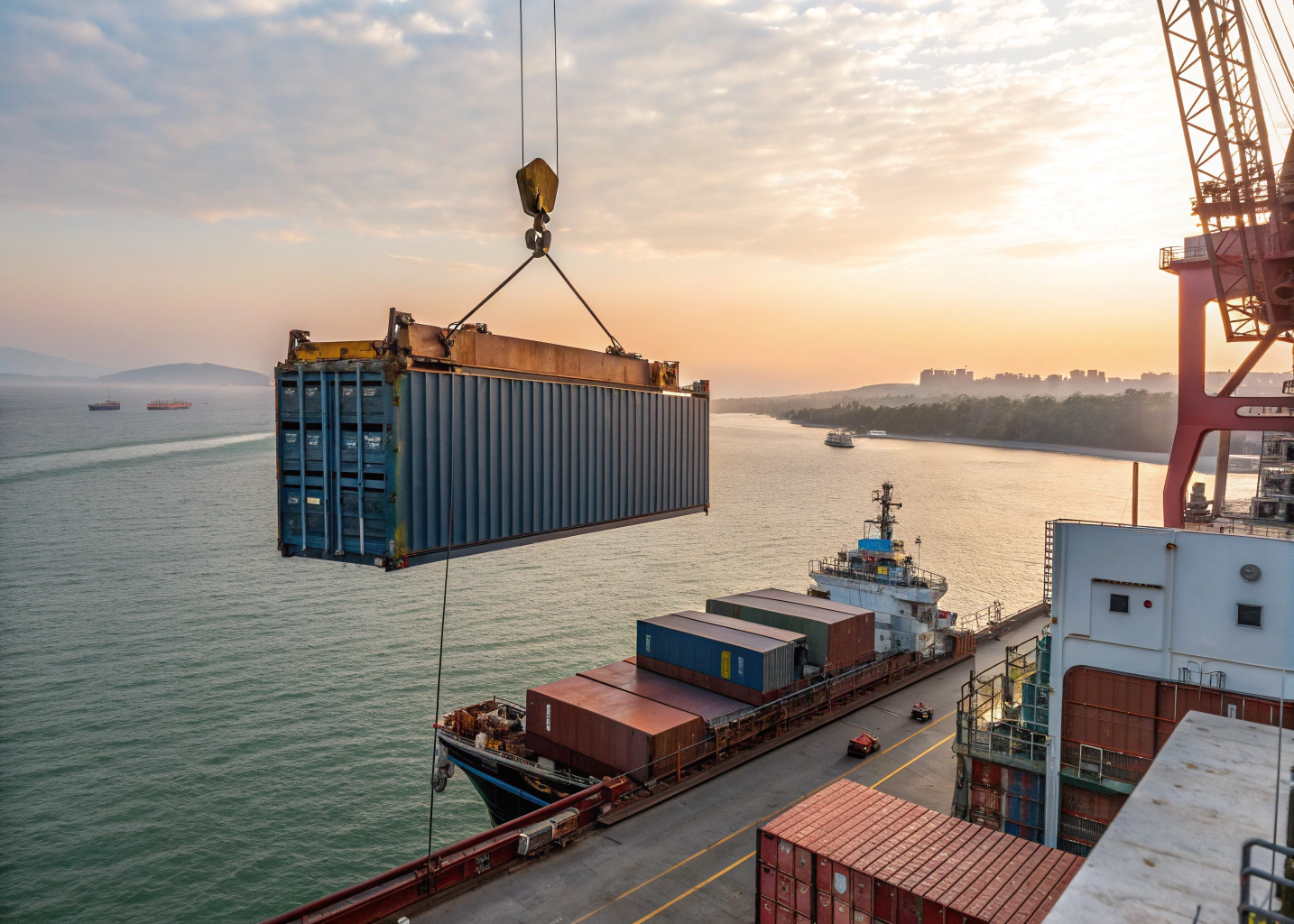
- New export restrictions target equipment, machinery, metals, plastics, and chemicals critical to Russia’s military-industrial complex, valued at over €2.5 billion ($2.8 billion).
- Enhanced anti-circumvention measures focus on third countries, including Turkey, to prevent sanctions evasion.
4. Sanctions on Individuals and Entities
- Over 50 individuals and organizations, including 31 companies from China and Belarus, have been added to the sanctions list for supporting Russia’s military-industrial complex or evading sanctions.
- The Rosneft oil refinery in India is targeted for its role in sanctions circumvention.
Challenges in Adoption
- Delays and Objections: Slovakia and Malta initially resisted the package. Slovakia, led by Prime Minister Robert Fico, sought guarantees for energy security, particularly regarding the phaseout of Russian gas by 2028. Malta raised concerns over the oil price cap reduction. These issues were resolved by July 14, 2025.
- Hungary’s Stance: Hungarian Foreign Minister Péter Szijjártó questioned the sanctions’ effectiveness, but Hungary ultimately supported the package after negotiations.
Implications for European-Turkish-Russian Relations
1. Trade and Sanctions Compliance
- Impact on Europe: European businesses face stricter regulations on exports to Russia, particularly for dual-use goods, increasing compliance costs and necessitating robust due diligence to avoid secondary sanctions.
- Turkey’s Role: As a key transit hub for goods to Russia, Turkey faces heightened EU scrutiny. The 18th package’s anti-circumvention measures could disrupt Turkish exports of electronics and industrial components, affecting European companies with supply chains through Turkey.
- Turkish International Law & Consulting Firm Solution: Our firm provides comprehensive legal support to European businesses, ensuring compliance with EU sanctions while maintaining trade with Turkey and mitigating risks.
2. Energy Dynamics
- European Perspective: The EU’s push to reduce reliance on Russian energy, including the Nord Stream ban and petroleum product restrictions, accelerates Europe’s transition to alternative suppliers. However, Turkey’s TurkStream pipeline remains a critical conduit for Russian gas to Southern Europe, creating a delicate balance.
- Turkey’s Position: Turkey’s role as an energy hub strengthens, but increased EU oversight may complicate logistics for Russian gas transiting through Turkey. European energy companies must navigate these restrictions carefully.
- Turkish International Law & Consulting Firm Solution: We offer legal guidance to European energy firms operating in Turkey, ensuring compliance with sanctions while optimizing energy trade agreements.
3. Financial Transactions

- The sanctions on Russian banks and third-country financial operators could disrupt payments between Europe, Turkey, and Russia. Turkey and Russia may pivot to national currencies (Turkish lira and rubles) or cryptocurrencies to bypass restrictions, posing compliance challenges for European firms.
- Turkish International Law & Consulting Firm Solution: Our expertise in fintech and cryptocurrency regulations helps European clients navigate cross-border transactions while adhering to EU and Turkish laws.
4. Relocation and Investment
- European Businesses in Turkey: The sanctions may drive more Russian businesses and individuals to relocate to Turkey, increasing competition for European investors in sectors like real estate and construction. Stricter financial controls could complicate asset transfers for European firms operating in Turkey.
- Turkey’s Appeal: Turkey’s citizenship-by-investment and real estate programs remain attractive for Russians, but EU regulations may tighten scrutiny on fund origins, impacting European investors as well.
- Turkish International Law & Consulting Firm Solution: We assist European clients with relocation, asset protection, and investment in Turkey, ensuring compliance with international sanctions and local regulations.
5. Geopolitical Tensions
- EU-Turkey Relations: The EU’s pressure on Turkey to align with sanctions policies strains Turkey’s neutral stance, potentially affecting EU-Turkey trade negotiations and Turkey’s EU candidacy aspirations.
- Turkey-Russia Relations: While Turkey maintains strong economic ties with Russia (e.g., TurkStream, Akkuyu Nuclear Power Plant), EU sanctions could create friction if Turkey is perceived as facilitating sanctions evasion.
- European Businesses: European companies operating in Turkey must balance compliance with EU sanctions and maintaining profitable relations with Turkish and Russian partners.
Effectiveness and Russian Response
- Russian Perspective: Russian Deputy Prime Minister Alexander Novak dismissed the oil price cap as ineffective, claiming minimal impact on Russia’s economy. However, EU sources report that Russia’s oil and gas revenues dropped from €100 billion in 2022 to €22 billion in 2024, with the shadow fleet facing rising costs.
- Economic Impact: Russia’s economy grapples with inflation above 10% and pressure on its National Wealth Fund, indicating some success of the sanctions.
How Turkish International Law & Consulting Firm Can Help
Turkish International Law & Consulting Firm (https://rt-union.com/) provides tailored solutions for European clients navigating the complexities of the 18th sanctions package:
- Sanctions Compliance: Ensuring European businesses comply with EU regulations while maintaining trade and investment in Turkey.
- Relocation Support: Assisting European companies and individuals with relocation to Turkey, including visa processes, asset legalization, and business setup.
- Asset Protection: Resolving disputes, such as those with Turkish developers, and facilitating claim assignments (cession) to recover funds efficiently.
- Fintech and Cryptocurrency: Providing legal support for crypto exchanges and virtual asset providers to navigate sanctions-related financial restrictions.
- Citizenship and Investment: Guiding European clients through Turkey’s citizenship-by-investment or real estate programs, ensuring compliance with international norms.
Conclusion
The 18th EU sanctions package, adopted on July 18, 2025, intensifies pressure on Russia’s energy, banking, and military sectors, impacting European-Turkish-Russian relations. For European businesses and individuals, the sanctions create challenges in trade, energy, and financial transactions but also opportunities in Turkey’s strategic position as a trade and energy hub. Turkish International Law & Consulting Firm offers expert legal support to help European clients navigate these complexities, ensuring compliance and maximizing opportunities in Turkey.