Russia’s Debt Collection and GAS Pravosudiye: A Review for European Clients
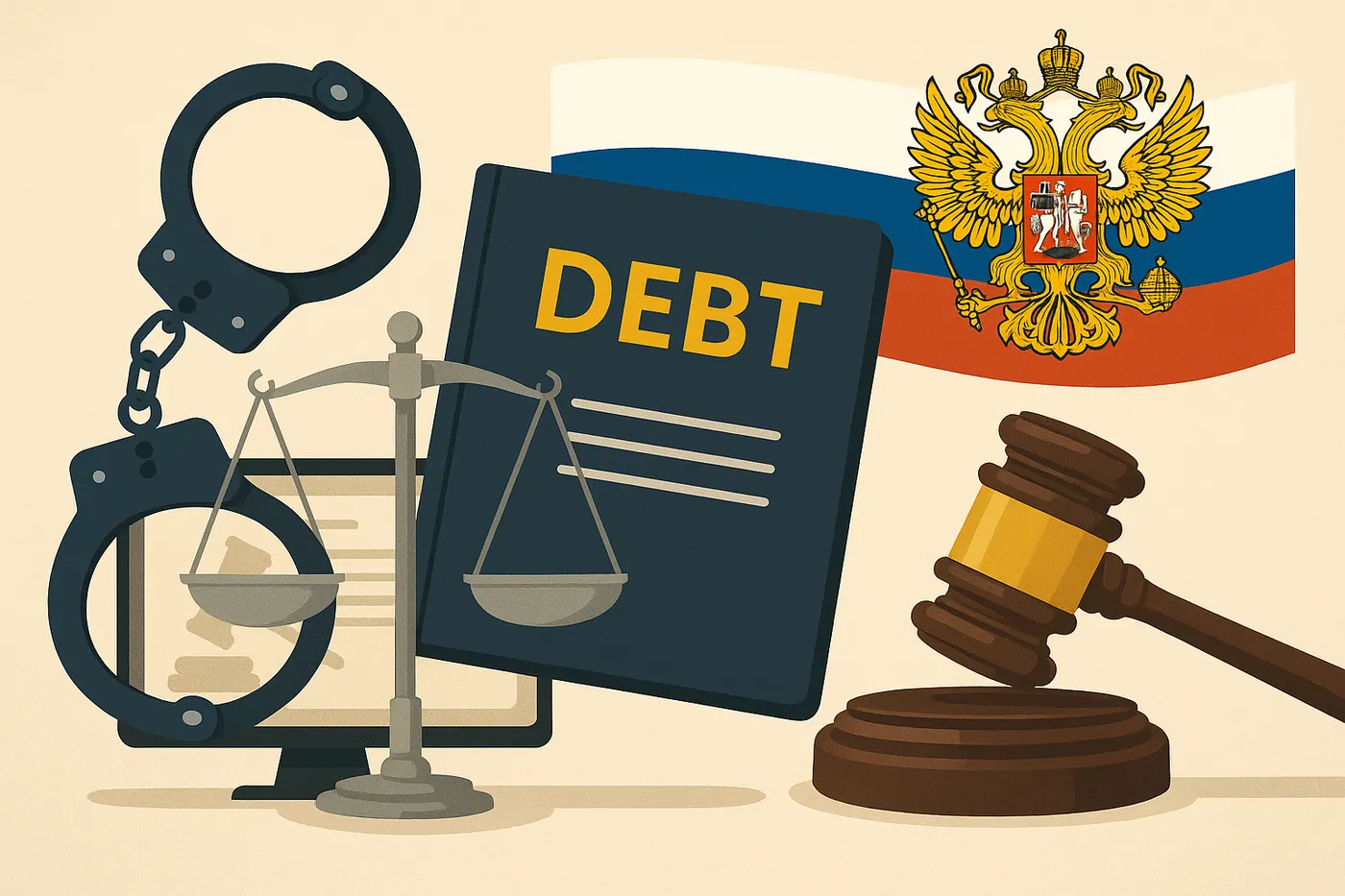
What is Russia’s Debt Collection System?
Russia’s public debt collection system, managed by the Federal Bailiff Service and supported by digital platforms, is designed to recover public dues such as taxes, fines, and administrative penalties. Similar to Turkey’s Kamu Alacaklarının Tahsili (KAd), this system ensures efficient recovery of state revenues.
For European businesses operating in Russia, understanding this system is crucial for managing financial obligations and resolving disputes.
Keywords: Russia debt collection system, GAS Pravosudiye, Russia digital judiciary, e-justice.What is GAS Pravosudiye?
GAS Pravosudiye (State Automated System "Justice") is Russia’s digital judiciary platform, comparable to Turkey’s UYAP or the EU’s e-Curia. It integrates courts, prosecutors, lawyers, and citizens, streamlining judicial processes like case management, debt recovery, and criminal proceedings.
For European stakeholders, GAS Pravosudiye offers a framework for navigating Russia’s legal system, particularly in commercial disputes or debt enforcement.
Related Article:Comparing Digital Justice: GAS Pravosudiye vs. UYAP vs. e-Curia.Role of Digital Platforms in Russia’s Systems

Russia’s debt collection and GAS Pravosudiye are supported by digital tools, notably the Gosuslugi portal, which mirrors Turkey’s e-Devlet. Launched in the early 2000s, these systems aim to modernize Russia’s sprawling judicial and financial infrastructure, making processes transparent and efficient.
- 2000s: Initial development of GAS Pravosudiye and Gosuslugi.
- 2010s: Nationwide rollout and integration with federal and regional databases.
- 2020s: Introduction of advanced features like video conferencing and automated case allocation.
Russia’s Public Debt Collection Process
Russia’s debt collection system ensures the recovery of public dues through a structured, digitized process. Here’s how it works:
1. Debt Notification and Payment
- Citizens and businesses can view debts (e.g., taxes, traffic fines) via the Gosuslugi portal using a digital ID.
- Payments are made online via bank cards or transfers, similar to Turkey’s UYAP payment system.
- Example: A European company operating in Russia can check its tax liabilities on Gosuslugi and settle them instantly.
2. Enforcement and Bailiff Actions
- Unpaid debts trigger enforcement by the Federal Bailiff Service, which may seize bank accounts or assets.
- For European firms, valid contracts, invoices, and delivery documents are essential for initiating debt recovery through Russia’s Arbitration Courts.
- Example: A European supplier owed €100,000 by a Russian client can file a claim with notarized documents (pretensiya) and pursue arbitration.
3. Installment Plans and Settlements
- Debts can sometimes be paid in installments or resolved through negotiated settlements.
- Notarized enforcement orders allow debt collection without immediate court involvement.
Features of GAS Pravosudiye
GAS Pravosudiye digitizes Russia’s judicial processes, offering tools comparable to modern European e-justice systems. Key features include:
1. Electronic Case Management
- Courts, prosecutors, and lawyers manage case files digitally, uploading documents like claims or rulings.
- Example: A European lawyer representing a client in Russia can submit legal documents via GAS Pravosudiye without traveling.
2. Citizen and Business Access
- Through Gosuslugi, users track case statuses, view court decisions, or pay fines using electronic signatures.
- This mirrors the EU’s e-Curia, which provides similar access for European Court of Justice cases.
3. Video Conferencing and Automation
- GAS Pravosudiye supports remote hearings, critical for Russia’s vast geography or during crises like COVID-19.
- Automated case allocation reduces bias and enhances judicial integrity.
- Example: A European executive can testify in a Moscow court via video from Berlin, saving time and costs.
4. Alternative Dispute Resolution
- The system supports mechanisms like pre-payment (önödeme) and deferred prosecution, reducing court backlogs.
- Example: In minor criminal cases, a defendant can settle fines upfront to close the case, similar to practices in some EU jurisdictions.
Benefits for European Stakeholders

Russia’s debt collection and GAS Pravosudiye systems offer significant advantages, particularly for European businesses and legal professionals:
1.Efficiency:- Digital platforms reduce processing times for debt recovery and judicial proceedings.
- All actions are logged, ensuring accountability and reducing corruption risks.
- Gosuslugi and GAS Pravosudiye enable remote access across Russia’s vast regions, comparable to Europe’s e-justice portals.
- Companies can recover debts through Arbitration Courts with proper documentation (contracts, invoices).
- GAS Pravosudiye’s digital approach aligns with EU initiatives like e-Curia, facilitating cross-border legal cooperation.
Challenges and Limitations
Despite their strengths, Russia’s systems face challenges that European users should consider:
1.Technical Issues:- GAS Pravosudiye occasionally experiences outages, particularly in rural areas, similar to early challenges with UYAP.
- Urban centers like Moscow benefit from robust infrastructure, while remote regions face connectivity issues.
- European businesses may require certified translations and local legal expertise to navigate Russian procedures.
- Digital platforms are vulnerable to cyberattacks, a concern shared with European e-justice systems.
Relevance for European Businesses
For European companies engaged in trade with Russia, understanding these systems is vital:
- Debt Recovery: With valid contracts and notarized claims (pretensiya), firms can pursue debts via Arbitration Courts, recovering funds in as little as 4–6 months.
- Legal Support: Engaging Russo-European legal consultants ensures compliance with Russian procedures and translations.
- Comparison with EU Systems: GAS Pravosudiye’s digital framework is comparable to e-Curia, offering familiar tools for European lawyers.
- Cross-Border Opportunities: Russia’s systems support international arbitration, aligning with EU-Russia trade agreements.
Future Prospects
Russia plans to enhance its debt collection and GAS Pravosudiye systems through:
- Artificial Intelligence: AI-driven case analysis to predict outcomes and streamline processes.
- Blockchain: Enhanced data security to protect sensitive judicial information.
- User-Friendly Interfaces: Simplified access for non-technical users, including foreign businesses.
- EU-Russia Cooperation: Potential integration with European e-justice systems for smoother cross-border legal processes.
Conclusion
Russia’s public debt collection system and GAS Pravosudiye represent a significant step toward digitalizing justice, offering parallels to Turkey’s UYAP and the EU’s e-Curia. For European businesses and legal professionals, these systems provide efficient tools for debt recovery and judicial engagement in Russia.
Despite challenges like technical glitches and language barriers, their transparency and accessibility make them valuable for cross-border operations.
For more information, visit Gosuslugi or the Russian Ministry of Justice.
Chukavin Pavel - Partner & Attorney at Law 2025-08-24 19:51